
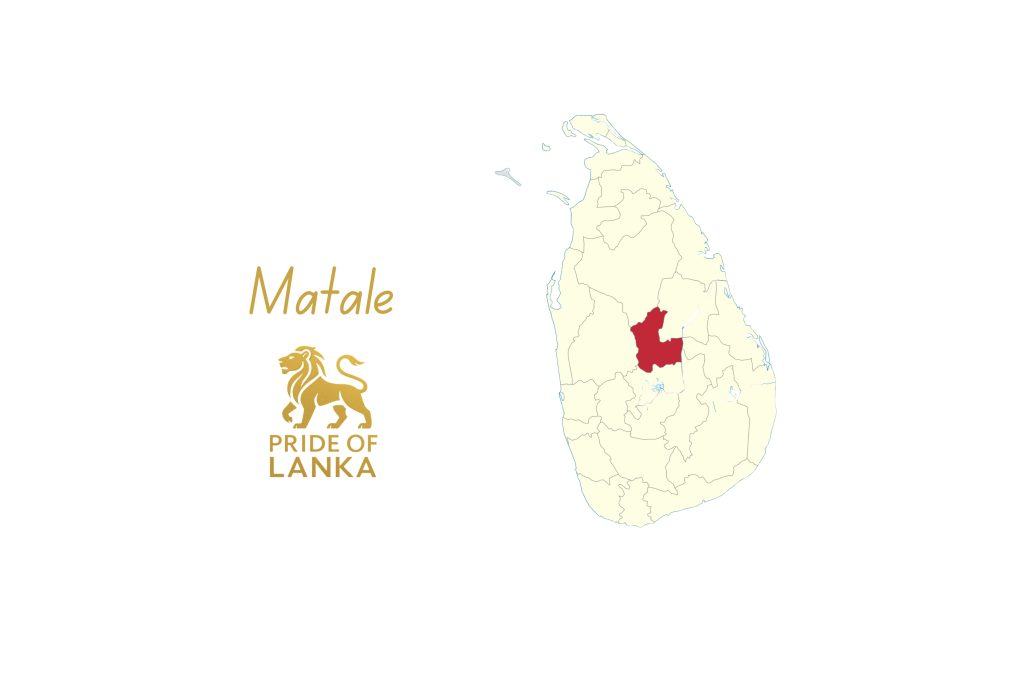
Matale District stands at a remarkable geographic and cultural crossroads in Sri Lanka, linking the central highlands with the northern and eastern plains. Known for its spice gardens, ancient caves, cool-climate valleys, and frontier history, Matale has long played a strategic role in trade, agriculture, and movement across the island.
Often described as the northern gateway of the Central Province, Matale combines mountain landscapes, dry-zone edges, and deep historical layers into a district of great variety and quiet importance.
A Landscape of Mountains, Valleys, and Forests
Matale stretches from the Knuckles foothills and highland ridges down toward the dry-zone plains. This gives the district a unique mix of climates and ecosystems, from cool, misty uplands to warmer lowland farming areas.
Rivers and streams flowing from the hills support agriculture and village life, while forested areas and nature reserves contribute to biodiversity and scenic beauty. The district includes access points to the Knuckles Conservation Range, one of Sri Lanka’s most important natural heritage areas.
The Spice Capital of Sri Lanka
Matale is internationally famous for its spice production. For centuries, this region has grown cinnamon, pepper, cardamom, cloves, nutmeg, and other spices that once made Sri Lanka one of the most valuable islands in the world.
Even today, Matale’s spice gardens and smallholders play a major role in Sri Lanka’s spice exports. The district has also become a center for spice processing, herbal products, and Ayurveda-related industries, linking agriculture with wellness and value-added production.
Caves, Temples, and Ancient Footprints
Matale is rich in archaeological and religious heritage. The Aluvihare Rock Temple holds a special place in Sri Lankan history as the site where the Buddhist scriptures were first written down in Pali during the reign of King Valagamba.
The Dambulla Cave Temple complex, located on the edge of the district, is one of the greatest rock temple sites in Asia and a UNESCO World Heritage Site, with its painted caves and hundreds of Buddha statues.
The district also contains many ancient temples, caves, and historical sites that reflect its long role as a frontier zone between kingdoms and regions.
A Land of Resistance and Memory
Matale occupies an important place in modern Sri Lankan history as well. The Matale Rebellion of 1848 against British rule, led by national heroes such as Puran Appu and Gongalegoda Banda, began in this region and stands as a landmark moment in the island’s anti-colonial struggle.
This legacy has given Matale a special place in the story of Sri Lanka’s modern political awakening.
Communities, Agriculture, and Rural Life
Matale is home to a mix of Sinhalese, Tamil, and Muslim communities, living across highland villages, plantation areas, and dry-zone farming settlements. Agriculture remains central to life, including spices, vegetables, fruits, and paddy in the lower areas.
The district also has strong traditions of craftsmanship, village industries, and temple-centered community life.
Tourism, Wellness, and New Opportunities
Matale has strong and growing potential in:
- Cultural and heritage tourism, centered on Aluvihare and Dambulla
- Nature and eco-tourism linked to the Knuckles region
- Spice and wellness tourism
- Agro-processing and herbal industries
- Adventure and rural experience tourism
Its location between Kandy, Dambulla, and the northern routes makes it a natural stop and hub for inland travel.
Pride of Lanka Perspective
Matale is a district of fragrance and memory. It carries the scent of spices that once drew the world to Sri Lanka, the silence of caves that preserved a civilization’s knowledge, and the spirit of resistance that shaped modern national consciousness.
It reminds the nation that some of the most important chapters of history are written not in capitals, but in frontier lands that connect worlds.
In celebrating Sri Lankan excellence, Matale stands as a bridge between mountains and plains, between ancient wisdom and living enterprise, and between heritage and future potential.