
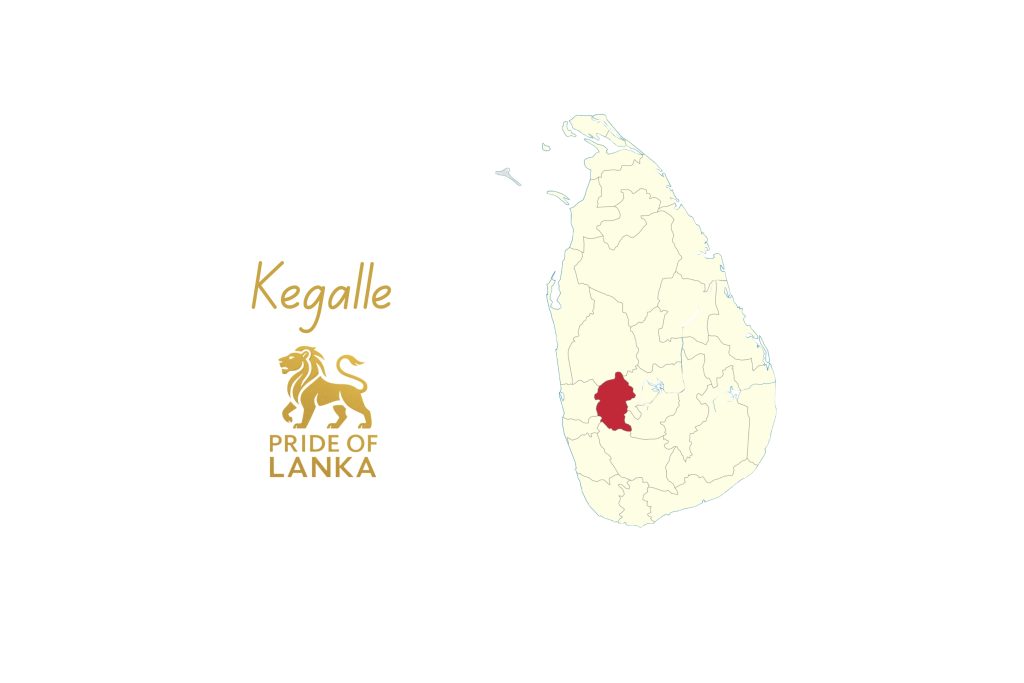
Kegalle District stands at a unique geographic and cultural crossroads in Sri Lanka, linking the central highlands with the western lowlands. Often described as the gateway to the hill country, Kegalle is a district shaped by rivers, forests, plantations, and a long tradition of agriculture, craftsmanship, and trade.
Though sometimes overshadowed by larger cities, Kegalle plays a quiet but essential role in Sri Lanka’s economy, environment, and regional connectivity.
A Landscape of Rivers, Hills, and Forests
Kegalle lies within the wet zone and is blessed with abundant rainfall, lush greenery, and a network of rivers, including the Kelani Ganga, one of Sri Lanka’s most important river systems. The district’s rolling hills and fertile valleys support a wide variety of crops and plantations.
The area around Kitulgala, in particular, is internationally known for its rainforest scenery, river sports, and as the filming location of the classic movie The Bridge on the River Kwai.
The Heartland of Rubber
Kegalle is widely regarded as the heart of Sri Lanka’s rubber industry. For decades, its plantations and smallholdings have produced a significant share of the country’s natural rubber, supporting thousands of families and feeding both domestic industry and exports.
Alongside rubber, the district also produces tea, coconut, pepper, and a range of fruits and vegetables, making it an important contributor to Sri Lanka’s plantation and mixed-crop agriculture.
A Land of Ancient Roots
Kegalle is closely associated with some of the earliest chapters of Sri Lankan history. The area around Warakapola and nearby regions is traditionally believed to be connected to the landing of Prince Vijaya, the legendary founder of the Sinhala people.
The district also contains many ancient temples and historical sites that reflect its long Buddhist heritage and its role as a corridor between different regions of the island.
Communities and Cultural Life
Kegalle is home to a diverse population, including Sinhalese, Tamils, and Muslims, living largely in rural and semi-urban communities. Village life, religious festivals, and agricultural rhythms continue to shape the social character of the district.
The people of Kegalle are known for their close connection to land, rivers, and plantation life, and for a strong tradition of community-based living.
Education, Industry, and Modern Links
Due to its strategic location on the main routes between Colombo and Kandy, Kegalle has become an important transit and commercial district. Towns such as Mawanella and Kegalle serve as key service and trade centers for the surrounding regions.
In recent years, there has also been growth in small and medium industries, agro-processing, and tourism-related enterprises.
Tourism, Nature, and Adventure
Kegalle has growing potential in:
- Eco and adventure tourism, especially in Kitulgala
- River sports and nature travel
- Cultural and heritage tourism
- Plantation and rural experience tourism
Its forests, rivers, and hills make it one of the most scenic yet underappreciated regions in the country.
Pride of Lanka Perspective
Kegalle is a district of connection and continuity. It links mountains and plains, past and present, agriculture and industry.
It shows how much of Sri Lanka’s real strength lies not in headline cities, but in hardworking regions that sustain the country quietly and steadily.
In celebrating Sri Lankan excellence, Kegalle stands as a symbol of fertility, resilience, and the enduring value of land and water.