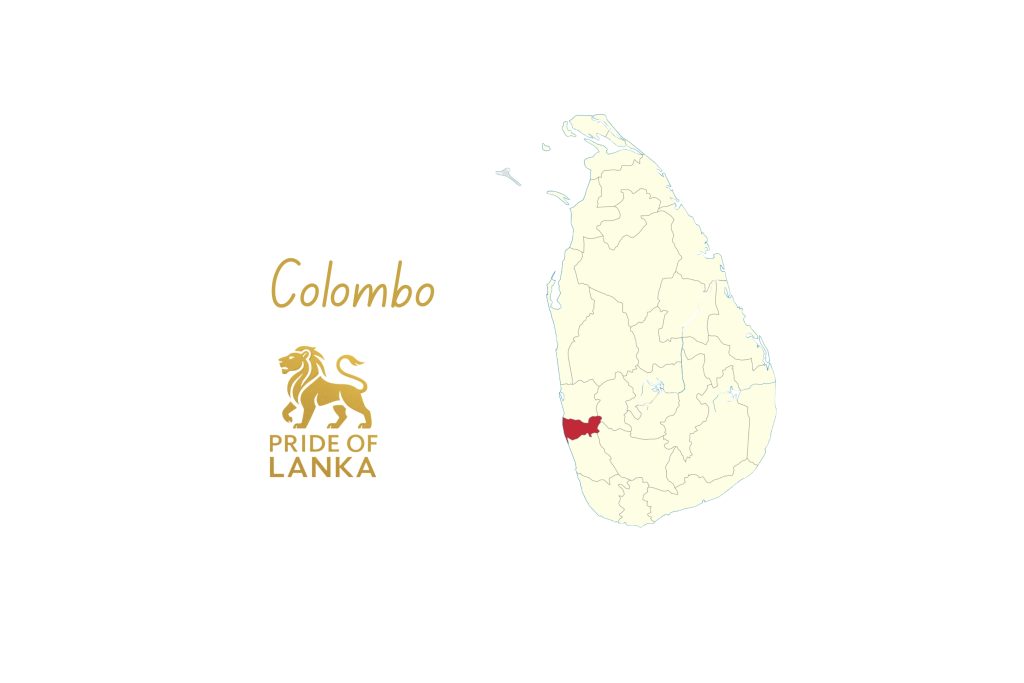
Colombo is more than a city or a district. It is the economic engine, diplomatic hub, and cultural crossroads of Sri Lanka. For over two thousand years, Colombo has stood at the intersection of global trade routes, regional politics, and island life, evolving into a modern metropolis while retaining layers of history, heritage, and human diversity.
Today, Colombo District represents the most urbanized, dynamic, and internationally connected region of the country. It is where Sri Lanka meets the world, and where the world encounters Sri Lanka.
From Ancient Port to Global City
Long before European powers arrived, Colombo was known to Arab, Chinese, Indian, and Southeast Asian traders as a strategic port on the Indian Ocean maritime routes. Its natural harbor and location made it a vital stop in the spice trade and wider Asian commerce.
The Portuguese, Dutch, and British each shaped Colombo in different ways, leaving behind forts, churches, administrative buildings, and urban layouts that still define parts of the city today. The Fort and Pettah areas remain living reminders of this layered history, where colonial architecture and traditional commerce continue side by side.
The Economic Heart of the Nation
Colombo is the financial and commercial capital of Sri Lanka. It hosts the country’s main port, the Colombo Stock Exchange, the Central Bank, major corporate headquarters, and the core of the banking and services sector.
The Port of Colombo is one of the busiest and most strategically important ports in South Asia, serving as a major transshipment hub for the region. Alongside it, the Colombo Port City project represents Sri Lanka’s most ambitious modern urban and financial development initiative, aiming to position the city as a regional center for finance, logistics, and services.
From small family businesses in Pettah to multinational corporations in the central business district, Colombo drives a significant share of Sri Lanka’s national economy.
A City of Many Communities
Colombo is Sri Lanka’s most diverse district. Sinhalese, Tamils, Muslims, Burghers, Malays, and many other communities live and work together, shaping a truly multi-ethnic and multi-religious urban culture.
This diversity is reflected in the city’s temples, kovils, mosques, churches, and civic spaces, often located within walking distance of each other. It is also reflected in Colombo’s food culture, languages, festivals, and everyday life.
Neighbourhoods such as Pettah, Slave Island, Wellawatte, Borella, and Kotahena each carry their own distinct cultural character, yet together form one shared urban identity.
Landmarks, Public Spaces, and Urban Life
Colombo combines historic landmarks with modern cityscapes. The Old Parliament, Independence Square, the Colombo National Museum, and the Gangaramaya Temple stand alongside new developments, hotels, and high-rise buildings.
Galle Face Green remains the city’s most democratic public space, where families, couples, office workers, and tourists gather every evening to watch the sunset over the Indian Ocean.
Viharamahadevi Park, Beira Lake, and the newly revitalized Port City and waterfront areas reflect Colombo’s gradual transformation into a more livable and people-oriented city.
People Who Shaped the Nation
Colombo has been the stage on which much of modern Sri Lankan history has unfolded. It has produced and hosted many of the country’s most influential political leaders, judges, diplomats, entrepreneurs, artists, journalists, and intellectuals.
It is also the center of Sri Lanka’s media, creative industries, fashion, and performing arts, making it the country’s main platform for cultural production and public debate.
Education, Healthcare, and Institutions
Colombo is home to some of Sri Lanka’s most important schools, universities, hospitals, and public institutions. The University of Colombo, along with many leading medical and professional institutions, has played a central role in producing the country’s doctors, lawyers, administrators, and academics.
The district also serves as the nerve center of government administration, diplomacy, and international engagement.
A City Looking to the Future
Colombo is in the midst of a major transformation. Urban renewal projects, transport upgrades, port expansion, and new financial and residential zones are reshaping the city’s skyline and ambitions.
The future of Colombo lies in:
- Becoming a regional financial and logistics hub
- Developing a more livable, green, and inclusive city
- Strengthening its role in technology, services, and creative industries
- Balancing heritage conservation with modern urban growth
Pride of Lanka Perspective
Colombo is the mirror in which Sri Lanka sees itself and is seen by the world. It is a city of opportunity, contradiction, energy, and constant change.
It carries the weight of history, the pressure of the present, and the promise of the future.
In celebrating Sri Lankan excellence, Colombo stands not only as the country’s capital of commerce and diplomacy, but as the beating heart of a nation in motion.