
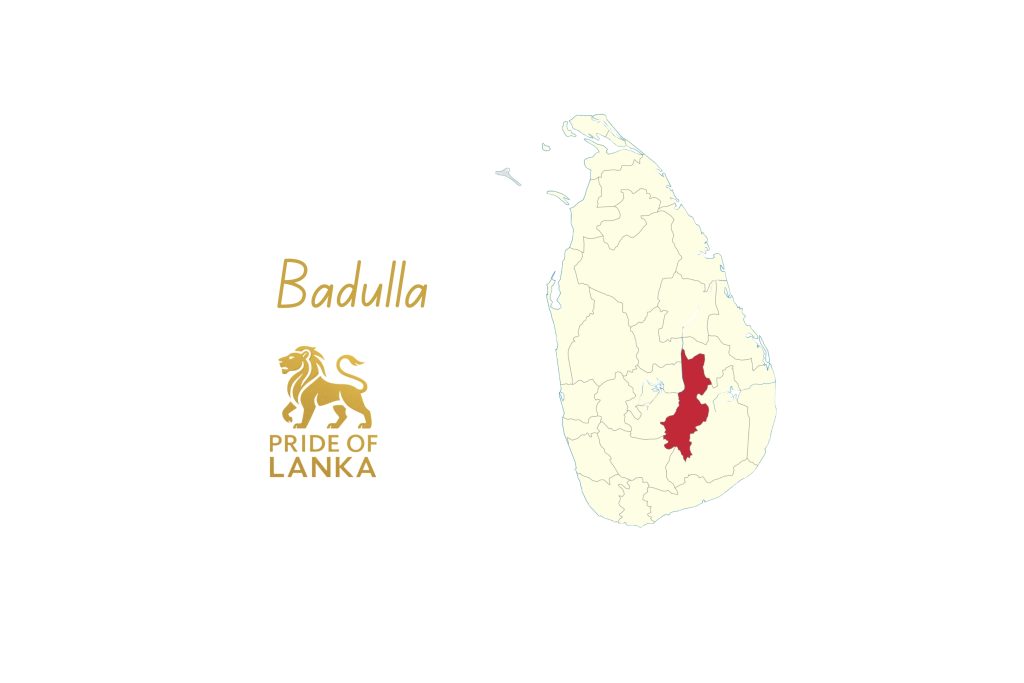
Badulla District stands as one of Sri Lanka’s most scenic and historically layered regions, a land where mist-covered mountains, ancient kingdoms, tea plantations, and living rural traditions come together to define the character of the Uva Province. As both a cultural heartland and an agricultural powerhouse, Badulla plays a quiet but vital role in shaping the nation’s economy, heritage, and environmental future.
Located on the southeastern slopes of the central highlands, Badulla has long served as a gateway between the hill country and the dry zone, linking the interior of the island with the lowlands of Uva and the eastern plains.
A Landscape Shaped by Mountains, Water, and Forests
Badulla is among the most geographically diverse districts in Sri Lanka. It contains some of the country’s most dramatic landscapes, including the Haputale range, Namunukula massif, and the upper reaches of the Mahaweli and Kirindi Oya river systems.
The district is famous for its waterfalls, cloud forests, and panoramic viewpoints. Dunhinda Falls, one of Sri Lanka’s most iconic waterfalls, stands just outside Badulla town and remains one of the most photographed natural landmarks in the country. Sites such as Diyaluma Falls, Bambarakanda, and Ella’s Gap have turned Badulla into one of Sri Lanka’s premier eco-tourism and nature tourism destinations.
From Ancient Uva to the Kandyan Frontier
Historically, Badulla was part of the ancient Uva region and later became an important frontier zone of the Kandyan Kingdom. The district carries layers of history ranging from ancient settlements and temples to colonial-era infrastructure and plantation towns.
Muthiyangana Raja Maha Viharaya in Badulla is one of the Solosmasthana, the sixteen most sacred Buddhist sites in Sri Lanka, and is believed to have been visited by the Buddha himself according to tradition. The Dowa rock temple, with its unfinished Buddha statue carved into a rock face, adds another dimension to the district’s spiritual and archaeological heritage.
The Plantation Economy and the Making of Modern Uva
Badulla is one of the pillars of Sri Lanka’s plantation economy. The British-era introduction of coffee and later tea transformed the district into one of the country’s most important tea-producing regions. Towns such as Bandarawela, Haputale, and Ella grew as plantation centers and continue to be key hubs of the hill country economy.
The district is also a major producer of vegetables, fruits, and spices, supplying markets across the island. Its cool climate agriculture plays a crucial role in national food supply chains.
A Land of Many Communities
Badulla is home to a richly diverse population, including Sinhalese, Sri Lankan Tamils, Indian-origin Tamils, and Muslims. The plantation communities in particular form an essential part of the district’s social and economic fabric, contributing for generations to the country’s export economy and hill country culture.
This diversity is reflected in the district’s languages, religious institutions, festivals, and everyday life, making Badulla a living example of Sri Lanka’s plural identity.
People and Cultural Life
The Uva region, including Badulla, has a strong tradition of education, public service, and cultural expression. The district has produced many respected teachers, administrators, artists, sportsmen, and political leaders who have served both at regional and national levels.
Uva’s distinct musical and dance traditions, as well as its rural folklore and storytelling culture, continue to enrich Sri Lanka’s broader cultural landscape.
Tourism, Heritage, and a New Future
In recent years, Badulla has become one of Sri Lanka’s fastest-growing tourism regions. Ella in particular has emerged as a global travel destination, attracting visitors with its hiking trails, scenic railway journeys, and iconic landmarks such as Nine Arch Bridge and Little Adam’s Peak.
The district holds enormous potential in:
- Eco-tourism and adventure tourism
- Tea tourism and plantation heritage tourism
- Agro-processing and highland agriculture
- Wellness and climate-based retreats
- Renewable energy and water-based resources
Pride of Lanka Perspective
Badulla represents the green soul of Sri Lanka. It is where water is born, where mountains shape climate and culture, and where generations of workers, farmers, and planters have built the backbone of the country’s highland economy.
It is also a district that reminds us that true national wealth lies not only in cities and ports, but in landscapes, communities, and traditions that quietly sustain the country every day.
In celebrating Sri Lankan excellence, Badulla stands as a symbol of resilience, natural beauty, and the enduring strength of the hill country.